

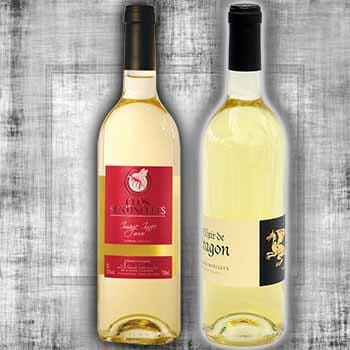
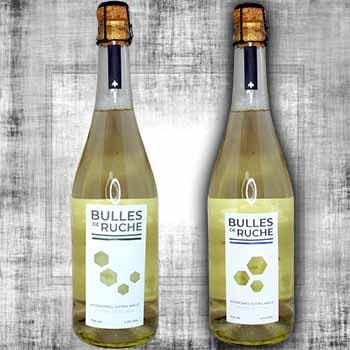
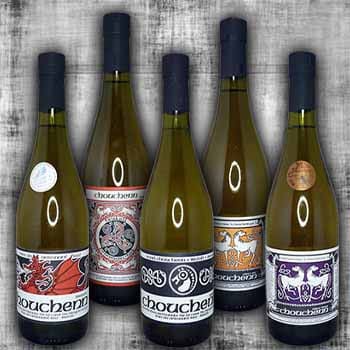
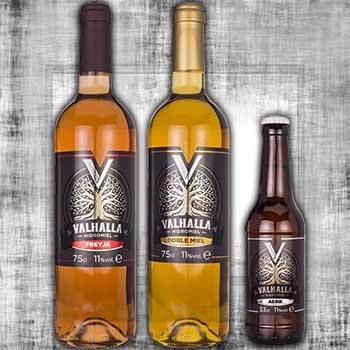
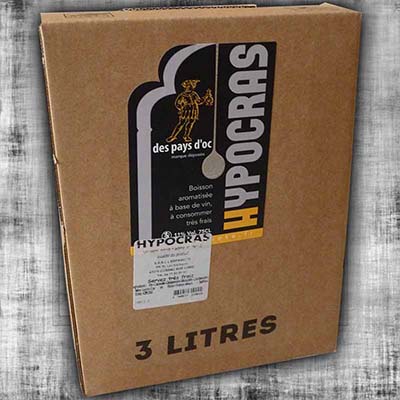


Hypocras (also spelled hippocras) is a drink made from wine, honey, sometimes sugar, and spices.
Video: hypocras and medieval drinks
Where does the name "hypocras" come from?
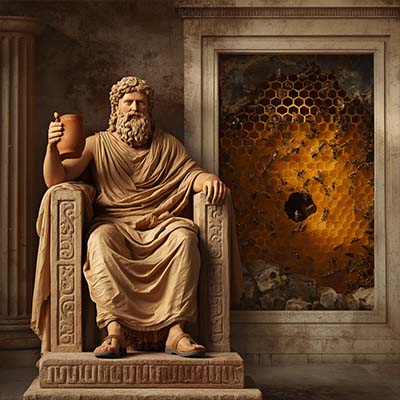
Often wrongly attributed to the ancient Greek physician Hippocrates, the word hypocras first appears in the 14th century. Yet "spiced and honeyed" wines existed long before, in ancient Rome and among the Celts, from 800 BC.
The hypocras recipe
There are many ways to make hypocras. The principle is always the same: honey or sugar is added to white or red wine, then spices and aromatic herbs are left to infuse and steep in it. The steeping time and the spices vary from one recipe to another.
The spices in hypocras
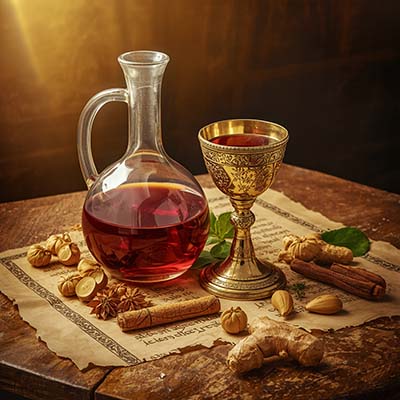
Ginger and cinnamon are essential. The choice of the other spices and their proportions vary. They may include mace, nutmeg, cardamom, cloves, grains of paradise, pepper, rose water…

Some of the spices used in hypocras: nutmeg, cinnamon, ginger, cardamom.
Medieval recipes that are hard to reproduce
 Recipes vary, because very few have survived. Moreover, the names of spices and the units of measurement in the Middle Ages were not standardised, and sometimes varied from region to region.
- Weights were measured in grains, oboles, gros, ounces, quarterons, marcs, pounds, quintals, milliers…
- Volumes in chopines, litrons, pints, veltes, queues, feuillettes, muids…
Units of measurement referred to parts of the human body or to objects, which did not help standardisation. For example, the ligne was a quarter of the diameter of a grain of barley, about 2.2 mm! The paume was the width of the palm of the hand… a small hand or a large one? The palme was the distance between the index finger and the little finger. And so on.
A hypocras recipe is therefore a dive into history, mathematics and approximation!
Hypocras in the Middle Ages: why so many spices?
From the 12th century and throughout the Middle Ages, hypocras was a highly prized drink. It was served throughout the meal: as an aperitif, with the main dishes or with dessert. The spices were not only there for flavour: above all, they masked the "bad" taste of the wine.
 Wine was kept in barrels closed with a bung, so it was quickly exposed to air as it was drawn off. It oxidised fast and turned sour.
Adding honey and spices masked this taste and preserved the wine for much longer, which also increased its market value. This kind of "recycling" was common in the Middle Ages: many cookery treatises described techniques to give food and drink a "second life".
Hypocras today
Today, a few craft producers have brought hypocras back, adapting recipes of the period with more or less success. The base wine is not the most important thing: a perfectly decent country wine is often enough. There is no need for a "great" wine: it is the blend of spices, their proportions and the steeping times that make a good hypocras.
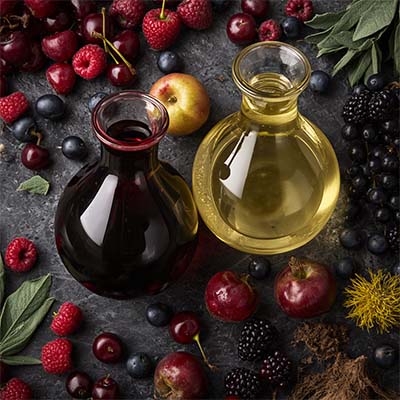
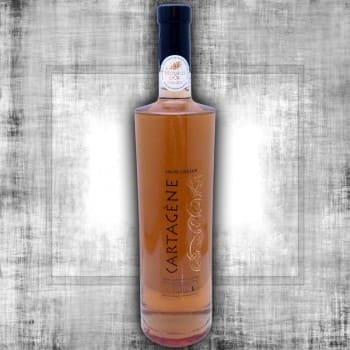
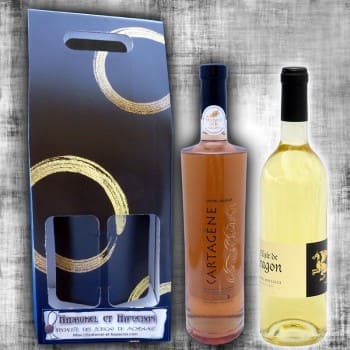
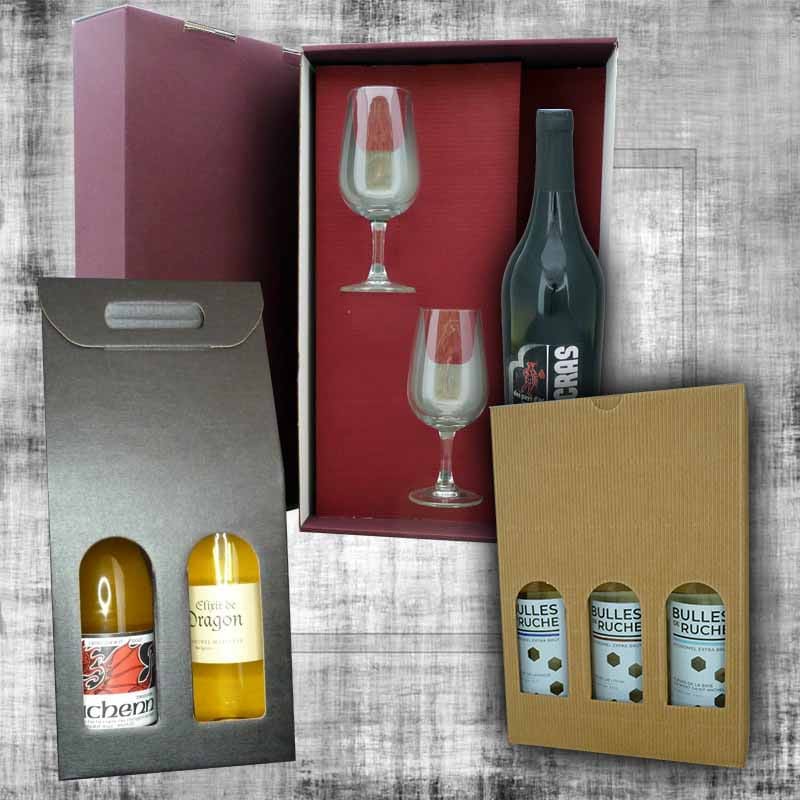
Taste our handcrafted hypocras: red hypocras and white hypocras. And for serving ideas, read What to serve with hypocras.