









Recipes from a 13th-century treatise
 Like many medieval recipes, those for moretum and coulindrum come from the Tractatus de modo preparandi et condiendi omnia cibaria, an anonymous 13th-century Latin work containing about 90 recipes.
The collection has five chapters:
- drinks;
- meat;
- fish;
- delicacies;
- vegetables, eggs and sauces.
It also gives dietary advice.
The recipe for medieval fruit wines
Moretum and coulindrum are wines that enjoyed their heyday before spices were imported from the East. In short, the recipe consisted of:
- steeping the fruit in red wine for several days;
- crushing the fruit, then straining;
- adding honey;
- boiling the mixture;
- straining through a fine cloth once completely cooled;
- bottling or putting into casks.
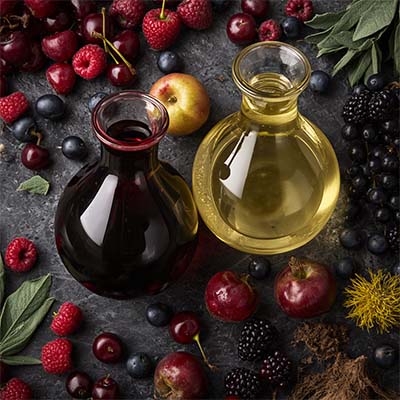
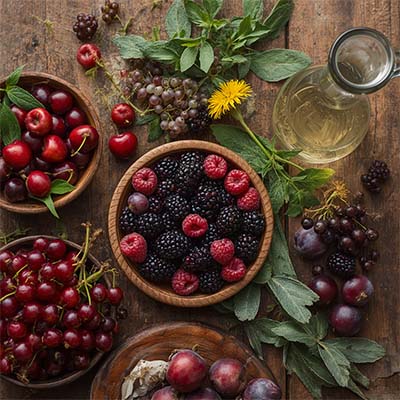
It can be made with different fruits: blackberry, plum, red cherry, raspberry, redcurrant, blueberry…
Moretum, the "monks' wine"
Moretum takes its name from the Latin mortarium, the mortar, because its recipe is based on crushed fruit. Highly prized until the 15th century, it was, for example, the feast-day wine of monks, hence the name "monks' wine" it is sometimes given. It was later replaced by hypocras, a spiced wine, when spices reached Europe in large quantities.
Coulindrum, a redcurrant wine
Today's redcurrant, once called Ribes rubrum, castille or coulindron, gave its name to coulindrum.
How to enjoy them
Medieval fruit wines are served chilled, as an aperitif or with dessert.
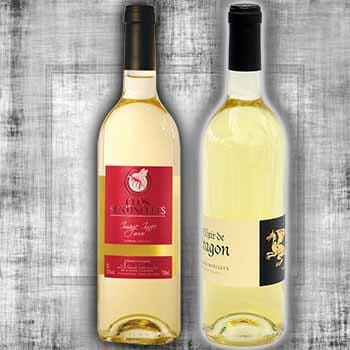
Taste our sweet cherry, blackberry or black plum moretums, and our coulindrum from the Pays d’Oc. The whole range is in our Moretum, Coulindrum, Saugée category.